As a travel advisor who specializes in creating custom itineraries for Peru, I often speak with people eager to see Machu Picchu but unsure how to structure the rest of their trip. The internet is full of great information on places like Lima, Cusco, Arequipa, and the Amazon, but I often find that travelers lack a simple framework for organizing their itinerary. So that’s what I want to share here: not just where to go, but how to think about building a trip around Peru’s highlights in a way that’s enjoyable, efficient, and tailored to your travel style.

Start With the Core
For most people, the “core” of a Peru trip includes Cusco, Sacred Valley, and Machu Picchu. These three destinations are logistically connected and culturally rich. You’ll need at least three days to explore them properly:
- Day 1: Cusco (historic center, ruins, cuisine, museums)
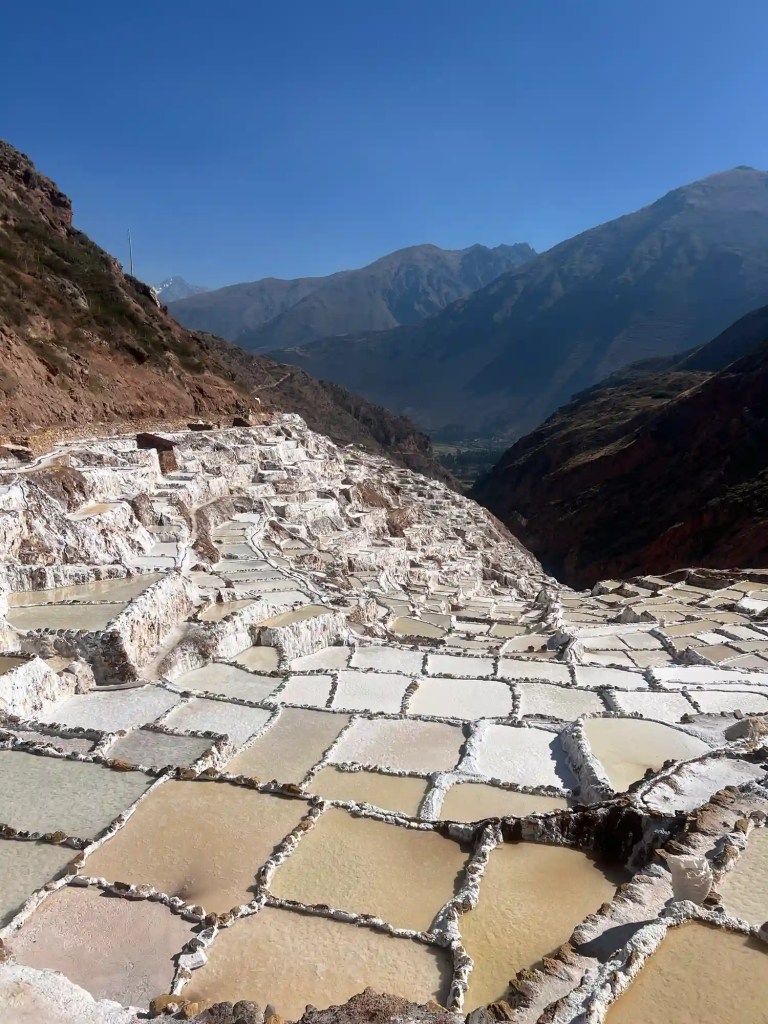
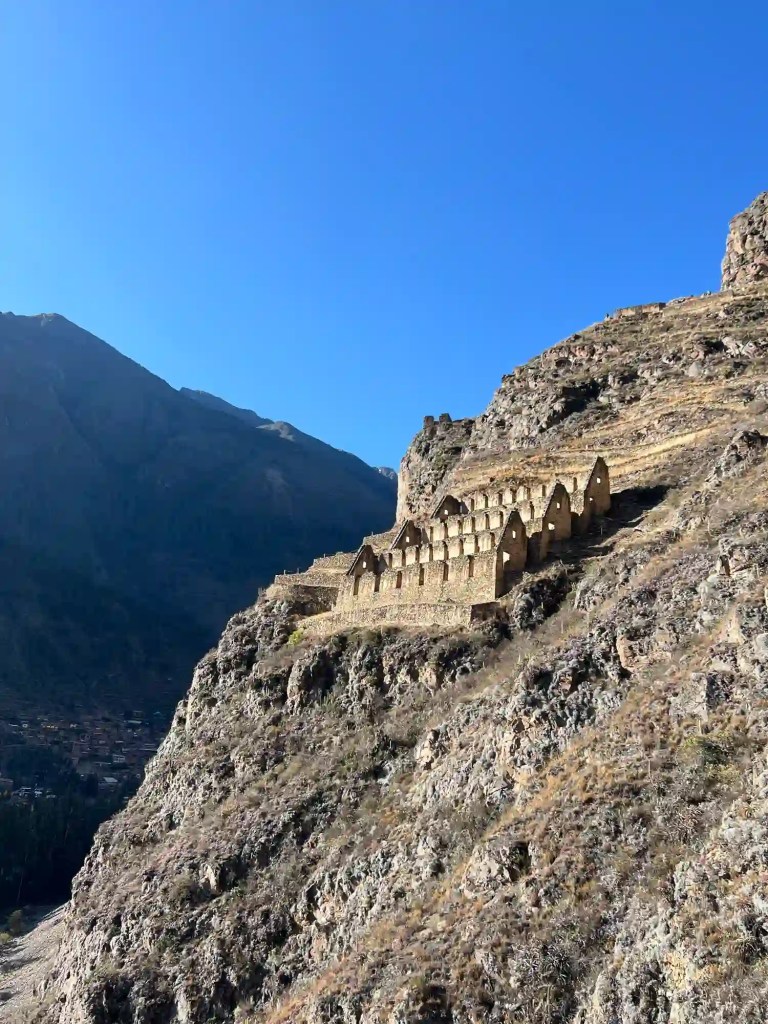
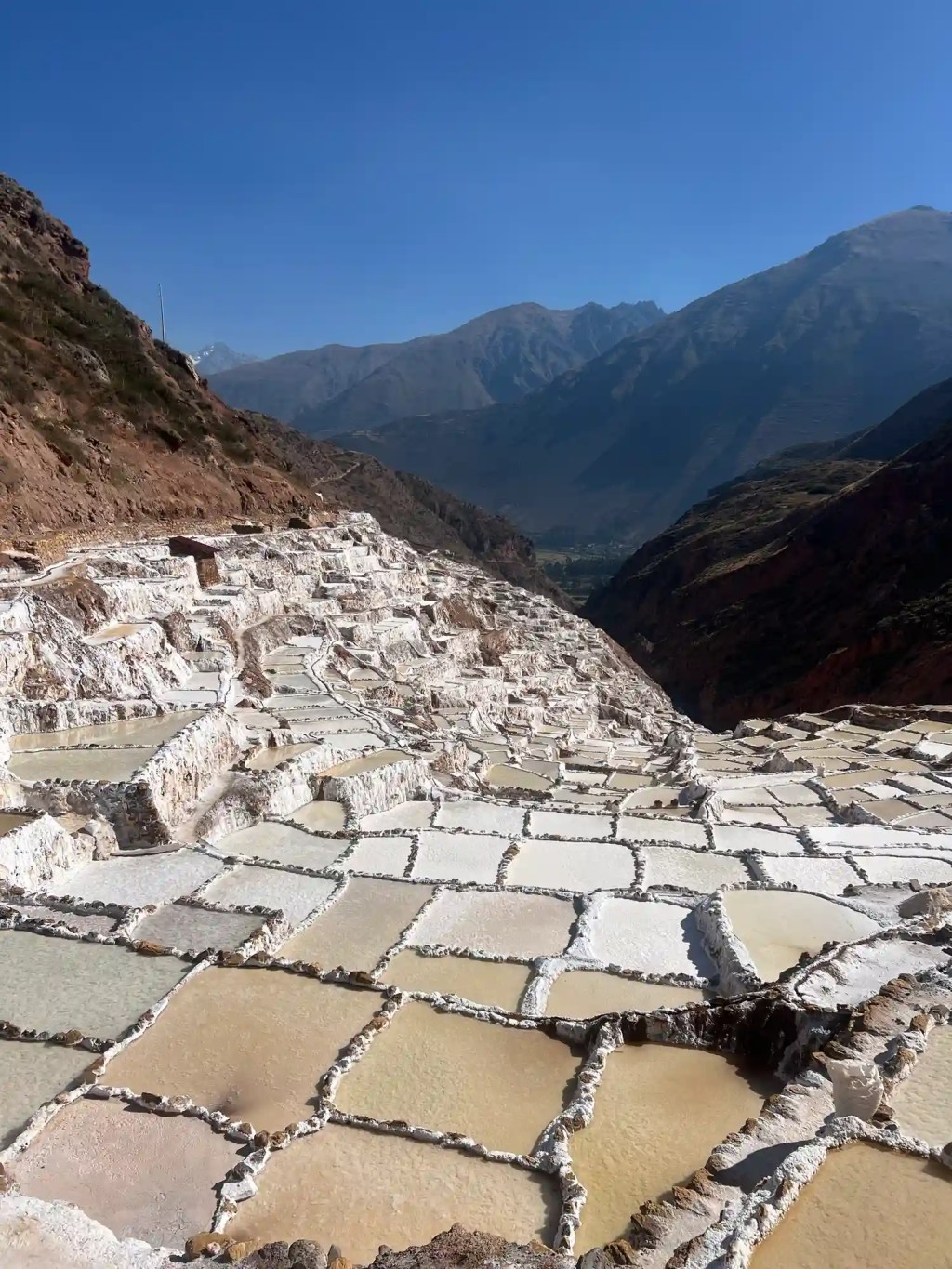
- Day 2: Sacred Valley (my favorites: Maras, Moray, Ollantaytambo; great alternatives: Pisac, Chinchero)
- Day 3: Machu Picchu
In addition to those three days, you’ll likely need two travel days—one to arrive in Peru and get to Cusco, and one to return home. That brings your base itinerary to five days. If you’re flying from the U.S., you can generally structure it so that arrival and departure is accomplished within 24 hours.
Add Lima (If You Want to Slow Down)
Even though a common question I get is, “Should I see Lima?”, I think the better question is: Do you want a day to relax, eat well, and enjoy the coast before or after your adventure?
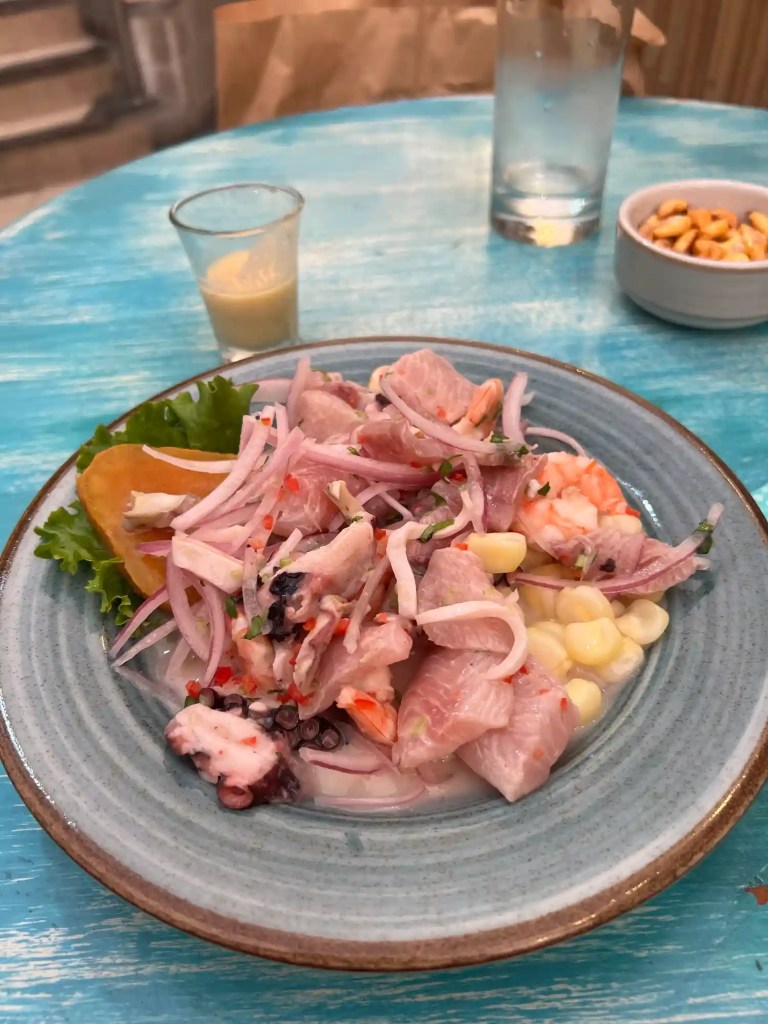
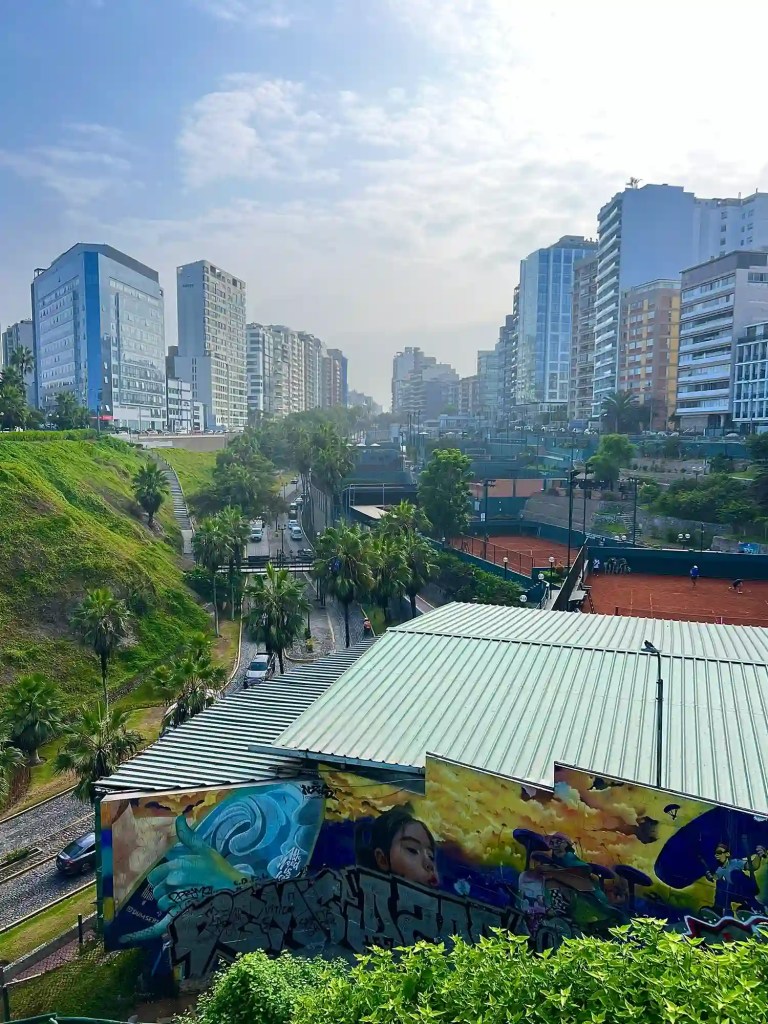
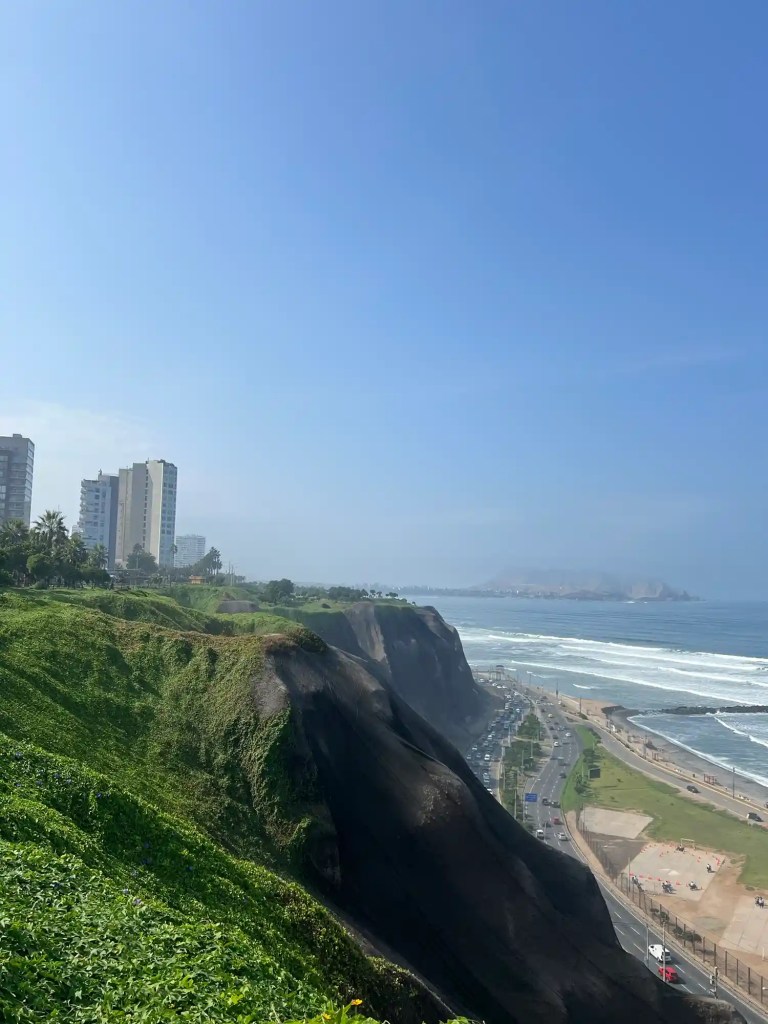
As someone who lives here, I believe the real value of Lima isn’t in ticking off tourist sites—it’s in slowing down and enjoying the atmosphere. I love walking the Malecón, a beautiful stretch of park-lined sidewalk along the cliffs of Miraflores with ocean views. Settle into a good lunch or dinner at one of Lima’s world-class restaurants. Wander through Barranco, the city’s bohemian neighborhood filled with colorful art, cafes, and relaxed charm.
If you’re more into history and architecture, you can spend time in downtown Lima, visiting colonial-era churches, plazas, and museums. It’s a good option if you have the time and interest. But if I were making recommendations to a friend, I’d say: spend a nice afternoon and evening in Barranco or Miraflores and pair it with a walking tour of the neighborhoods.
That said, if you’re short on time, I don’t think squeezing in a quick afternoon in Lima before or after a flight is essential. In my opinion, Lima really adds value as a relaxed day—either right after your long flight in, or at the end of your trip, when you want to rest, eat well, and soak up the ocean air before flying to your next destination.
What If You Have Extra Days?
Once you’ve planned your core (Cusco, Sacred Valley, Machu Picchu) and total trip duration, you can begin customizing. If you have six or more days, consider:
1. Paracas & Huacachina (1 extra day)
- Ideal for younger travelers or those okay with a long day trip.
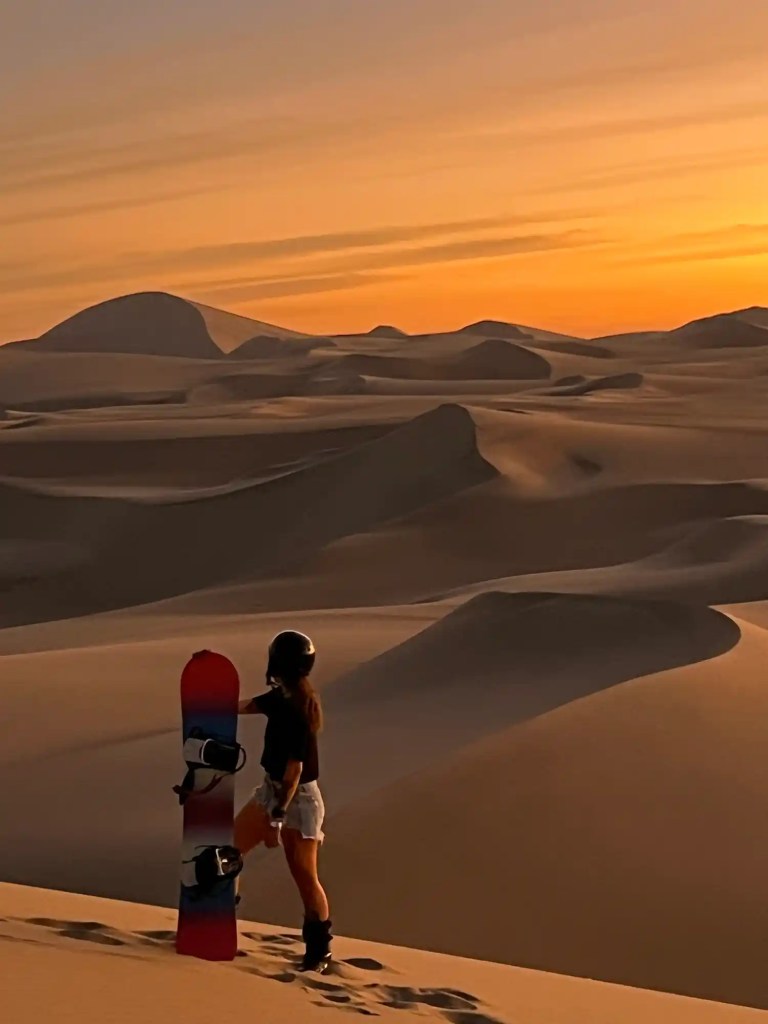
- Sandboarding and dune buggy rides in Huacachina.
- Boat rides and wildlife in Paracas National Reserve, where the desert meets the ocean.
- Leave Lima at 4 a.m., return around 11 p.m. It’s tiring. You can obviously stay longer in these destinations if you have the time.
2. Arequipa & Colca Canyon (2+ days)
- Great for those who enjoy colonial architecture, local culture, and nature.
- Arequipa is less touristy than Cusco and has a beautiful historic center.
- Colca Canyon offers multi-day or day hikes, and is famous for giant condors.
- A more budget-friendly and authentic experience.
3. The Amazon – Puerto Maldonado (3+ days)
- Perfect for nature lovers and those seeking wildlife adventures.
- Puerto Maldonado has direct flights to/from Cusco, making it more accessible than Iquitos.
- Lodges offer boat rides, jungle walks, and wildlife exploration.
- Slightly more expensive and logistically complex than other add-ons, but highly rewarding.
4. Lake Titicaca (2–3 days)
- Best for those seeking a unique cultural experience and fewer tourists.
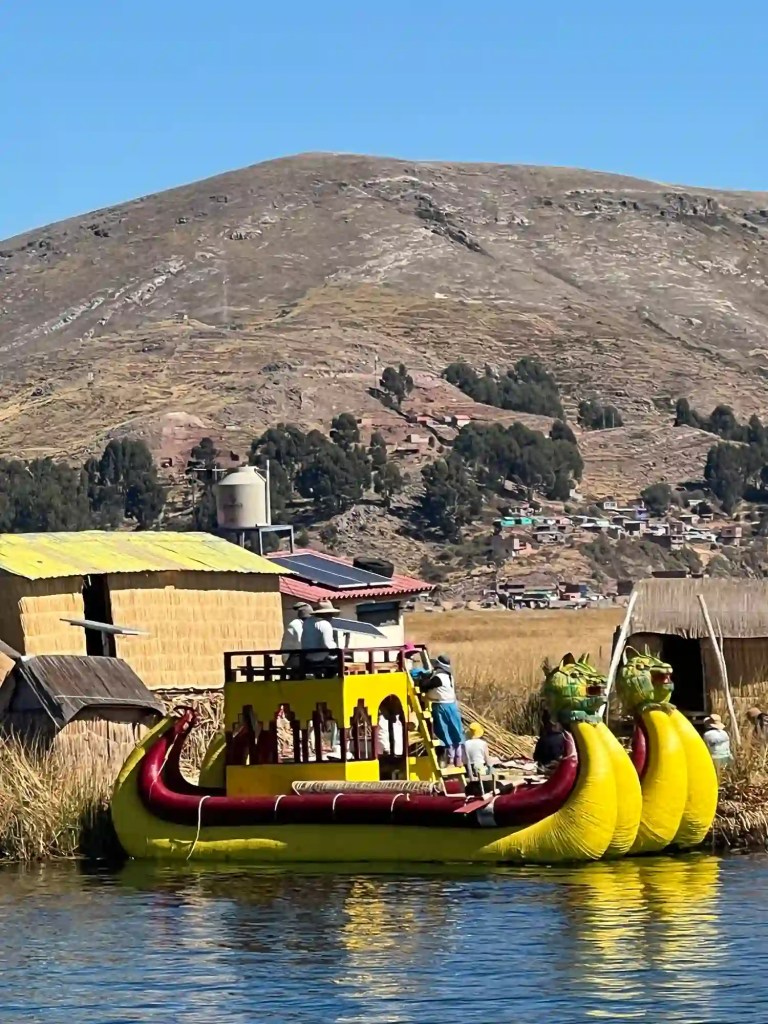
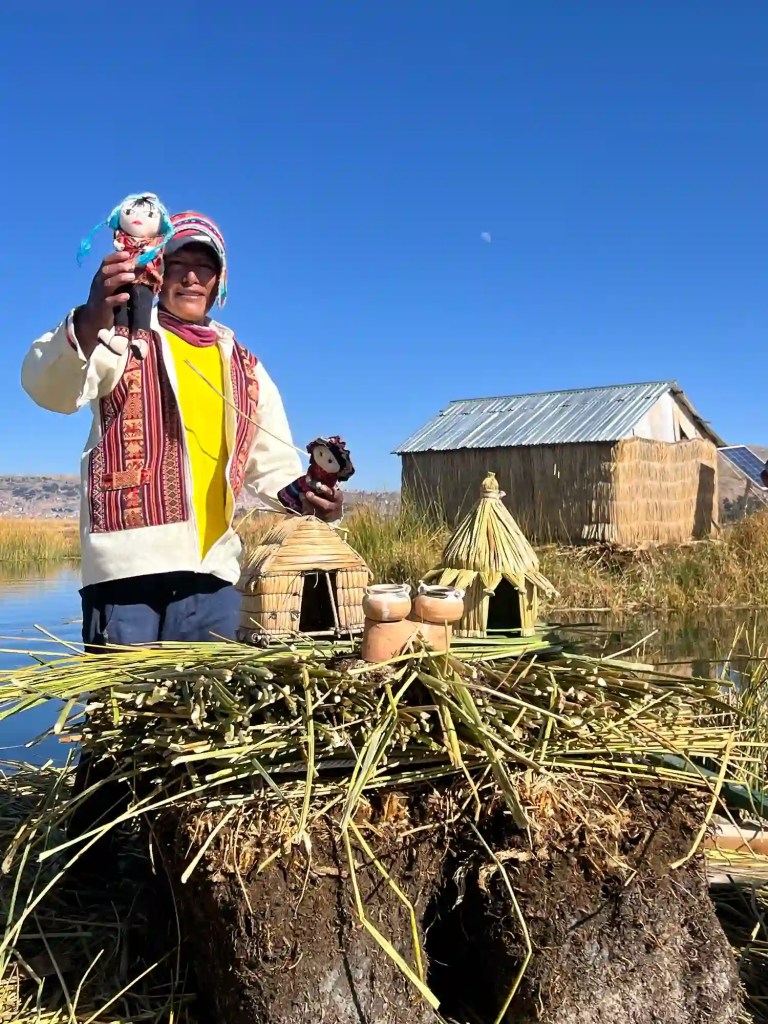
- Visit the floating Uros Islands, handmade from reeds by pre-Incan cultures.
- Requires an 8-hour bus or short flight from Cusco to Puno.
- Bordering Bolivia—possible to extend your trip across the border.
Or… Stay in Cusco!
Not everyone wants to hop on another flight or sit on a long bus ride. Many travelers already feel rushed trying to fit too much into too few days. The good news is that Cusco has plenty to offer if you choose to slow down:
- Use an extra day to finish your boleto turístico (many don’t!)
- Find local day trips: horseback riding, ATVs, Rainbow Mountain, etc.
- Visit museums, art shops, coffee houses, or simply wander.
- Tourism agencies are everywhere—but be cautious. With thousands of daily visitors to Machu Picchu, it’s important to read reviews before booking anything last-minute.
What About Beaches?
People sometimes ask if they can pair a beach vacation with Machu Picchu. Peru does have some beautiful beaches but not near Cusco. Here’s what to know:
- Near Lima: Places like Punta Hermosa are popular in summer but quiet in winter. These are more for locals than tourists.
- Northern Beaches: Máncora has warm waters and laid-back vibes, but it requires a separate flight and at least 4 extra days.
- Seasonal Challenge: Machu Picchu’s high season is in Peru’s winter (dry season, June–August), while the beach season is strongest in summer (December–March), making it hard to do both in ideal conditions.
Final Thoughts
So no, this post isn’t about revealing Peru’s hidden gems. But I hope it helps you think strategically about your trip. Start with your total number of days. Know that 5 days covers the Machu Picchu experience. 6 days? Add Lima. More than that? Pick from Amazon, Arequipa, Lake Titicaca, or Paracas/Huacachina—based on your interests, budget, and logistical tolerance.
If you approach your Peru itinerary with this framework, planning becomes much more manageable and a lot more fun. If you need more encouragement for visiting Peru, check out my other blog post, My Favorite International PTO (1-2 Weeks) Trips.
 Travel and Grow
Leave a comment