I often welcome the comfort and ease that predictability brings. It can take the form of a morning routine, your favorite neighborhood restaurant, or a go-to sweatshirt. Free of decision-making, you can easily and reliably enjoy them.
But I believe that our desire for predictability, and modern ability to secure it, can lead to unrealistic expectations and even dependency. Travel, especially long-term travel, makes the illusion of a static world impossible. Whether it’s a canceled flight or newfound hostel friends worth rearranging plans for, travel forces you to prepare and adapt. By putting yourself in unfamiliar places, you begin to familiarize yourself with the dynamic nature of the world and sharpen your ability to engage with it. I’ll share two travel stories that I hope illustrate how I’ve come to this perspective and how it’s impacted me.
High Passes, Hard Lessons: Trekking the Cordillera Huayhuash in Peru
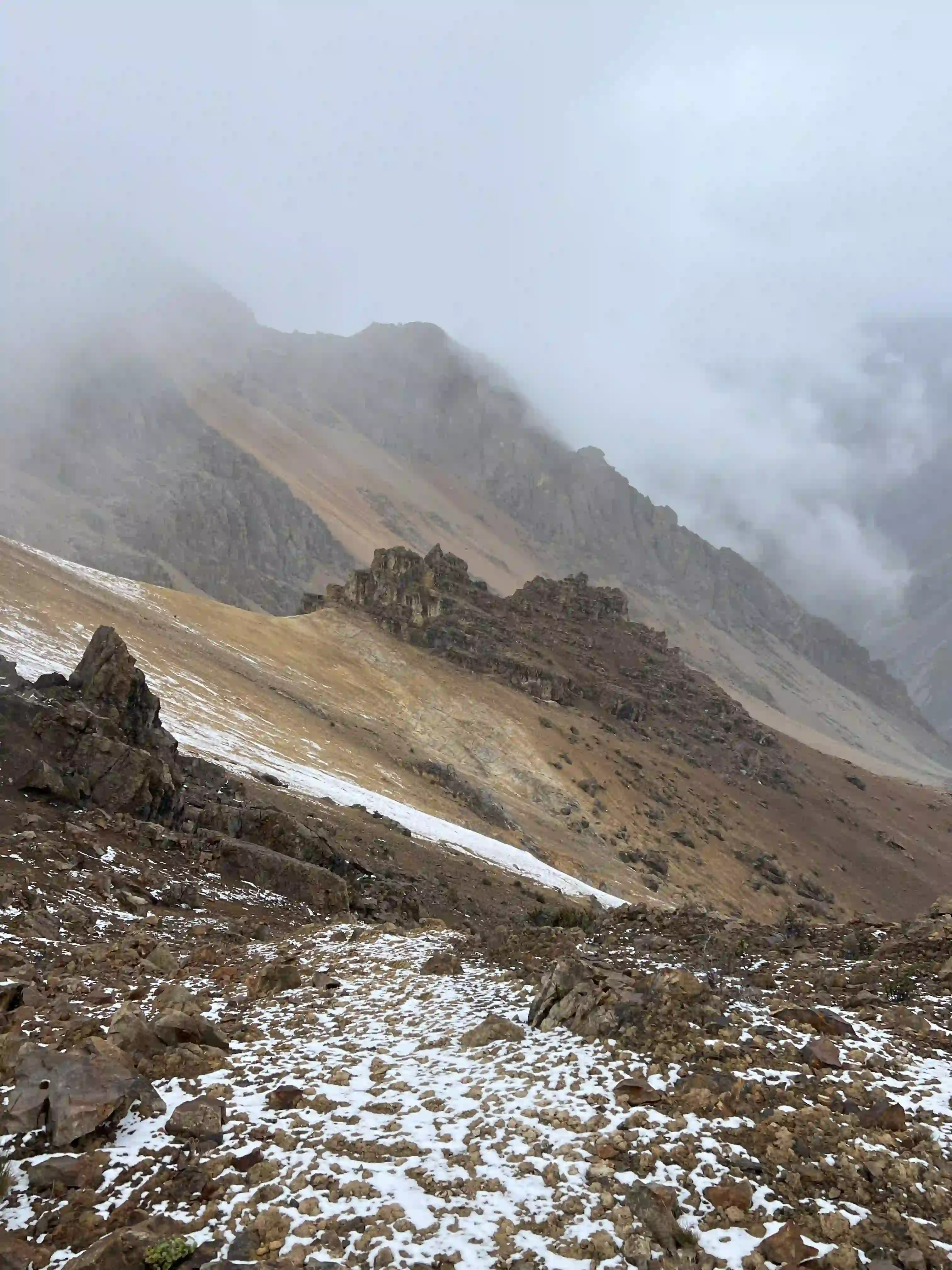
During a motorcycle trip through South America, my most anticipated destination was Peru’s Cordillera Huayhuash. Even in hindsight, it ranked number one on my list of favorite nature destinations as described in my other post, Raw Beauty: My Top 7 Nature Experiences. This trek—ranging from 5 to 12 days—winds through the Peruvian Andes and offers world-renowned landscapes. I opted to hike much of the Alpine Circuit, a more challenging but beautiful variation.
By Day 4, I had two tough days left. The next leg was just six miles but included over 6,000 feet of total ascent and descent over two mountain passes. The first mountain pass proved harder than expected. I couldn’t find the trail and had to make my own way over the mountain. Exhausted, I reached the final major climb of the trek—a 2,000-foot scramble over boulders in barely more than a mile.
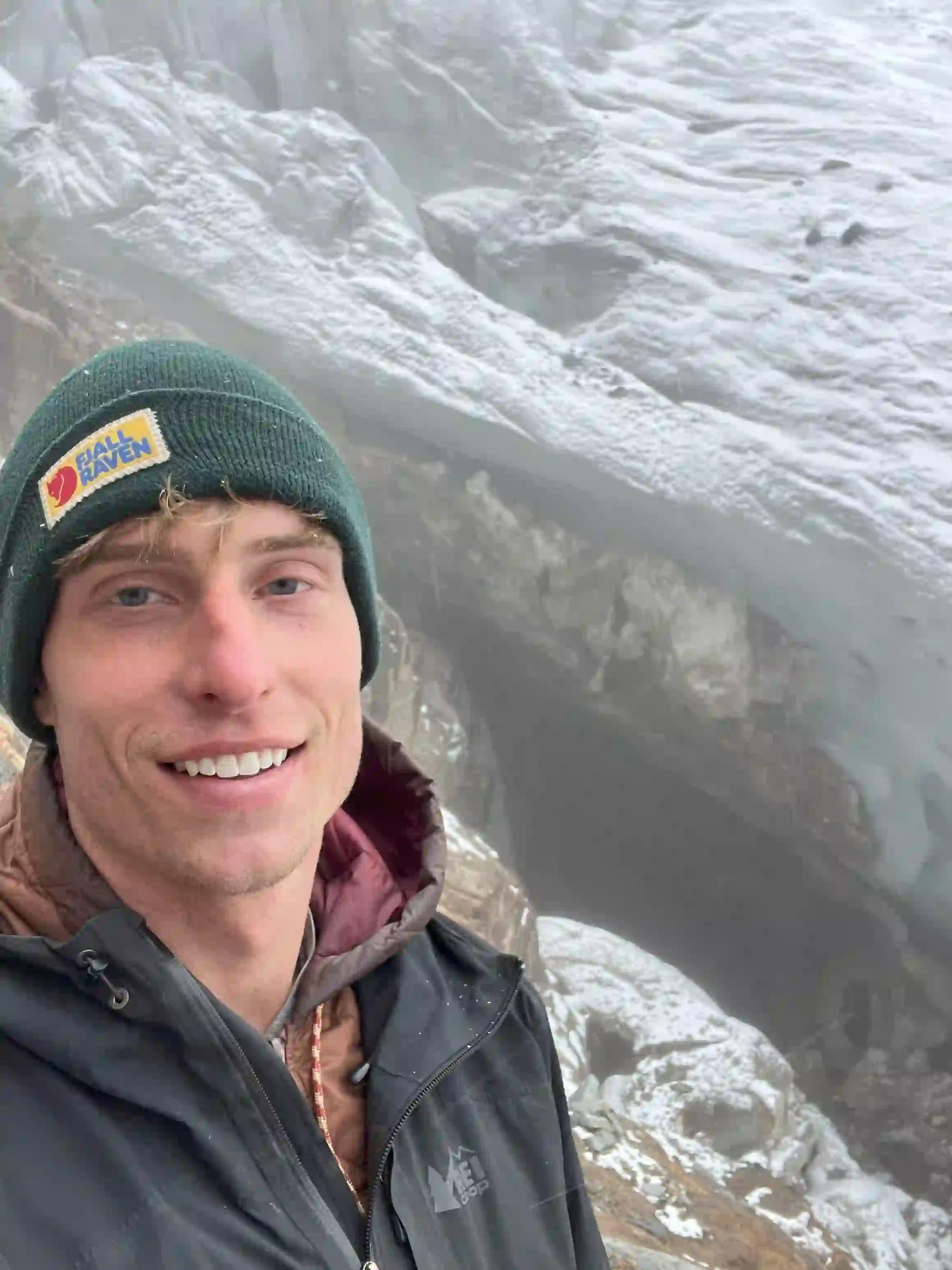
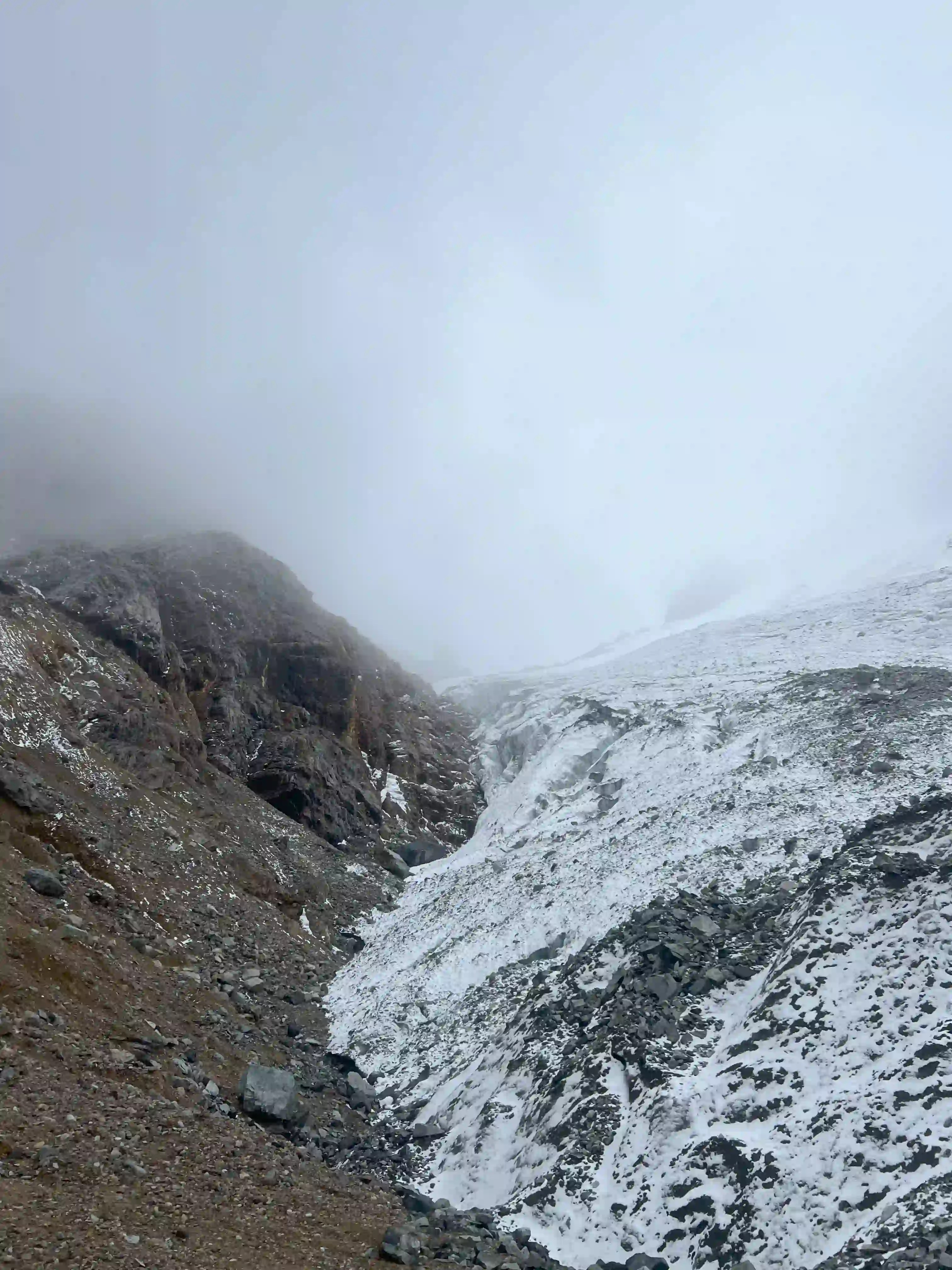
As I progressed, the mountain revealed a glacier that seemed to block the trail. Eventually, my fears were realized: my compass pointed directly at both the “trail” and the glacier. I looked into a large ice cave. The possibility of crevasses ruled out any chance I was going to hike on the glacier. I dropped my pack to see if I could climb the rock next to the glacier. Snow flurries made the rock slick and numbed my fingers. Every hold was a conscious decision about weight distribution. Not having seen anyone all day, I decided I couldn’t risk a free fall this remote, so I climbed down.
I knew that if I couldn’t find another way over the pass, I’d have to ration food for a 12-mile detour. I found a nearby slope that offered an alternative: a loose dirt scramble. Distributing my weight carefully, I clawed my way up.
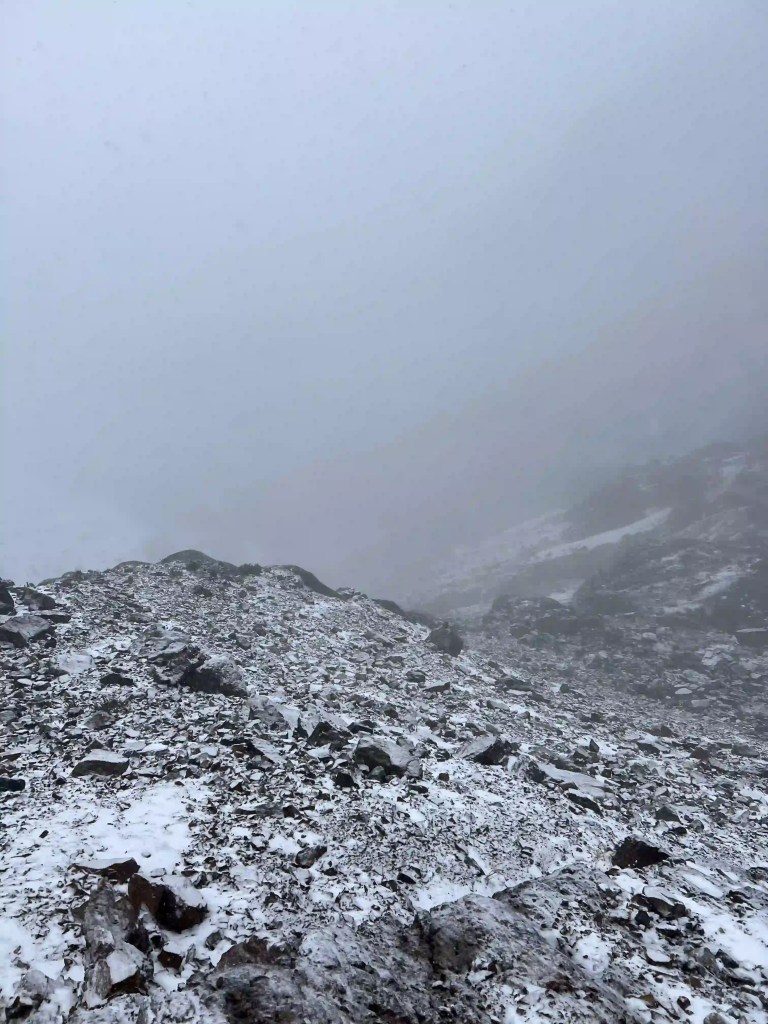
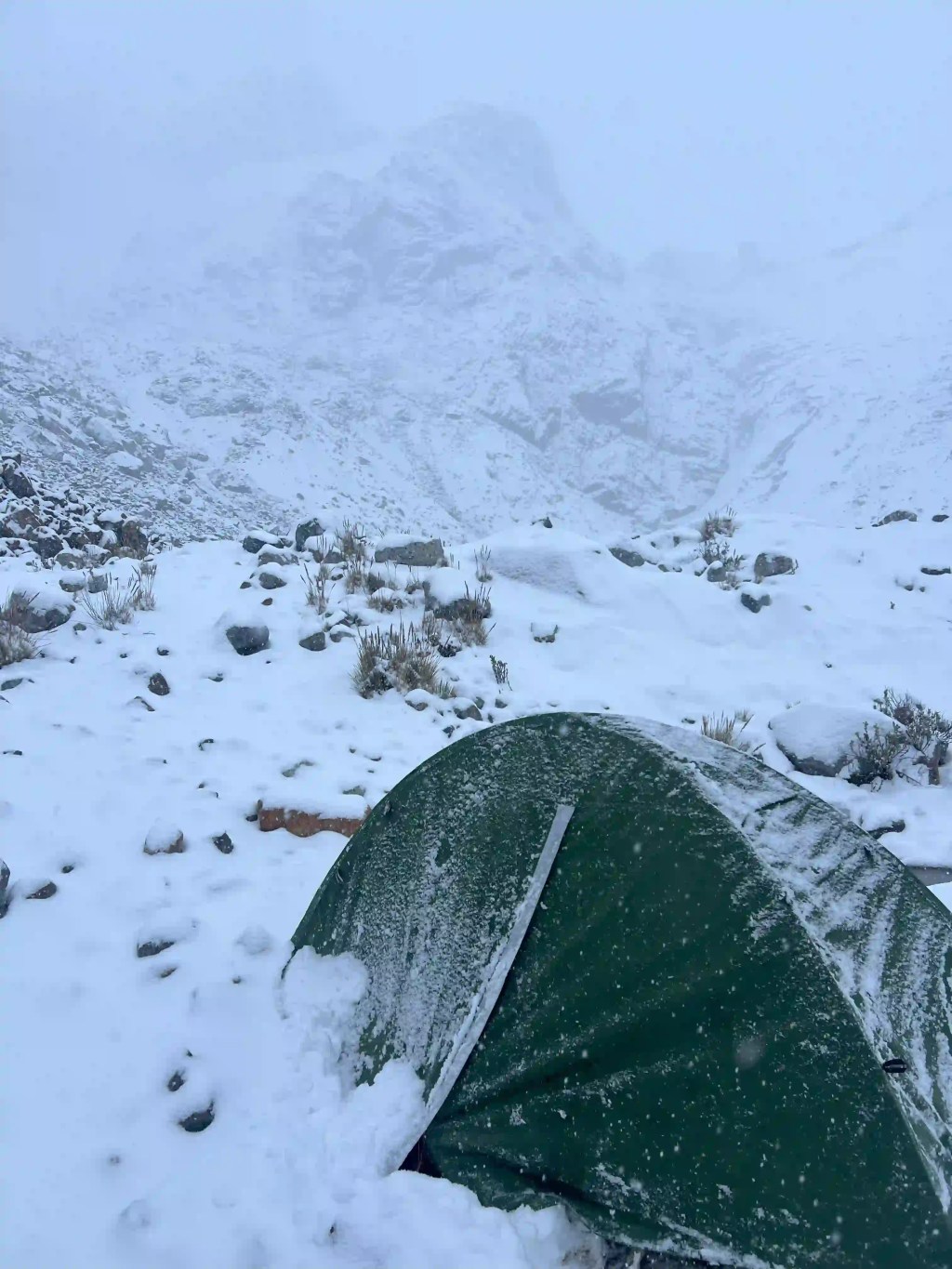
At the summit, thick fog rolled in. I could see only about 50 meters ahead. The descent looked steep, unstable, and blind. I had less than an hour of daylight left. As much as I wanted to be off that mountain, retrieving my pack and rushing down in the dark would be foolish. The snowfall got heavier. I cleared a patch and set up camp on the slope. I would attempt the pass tomorrow.
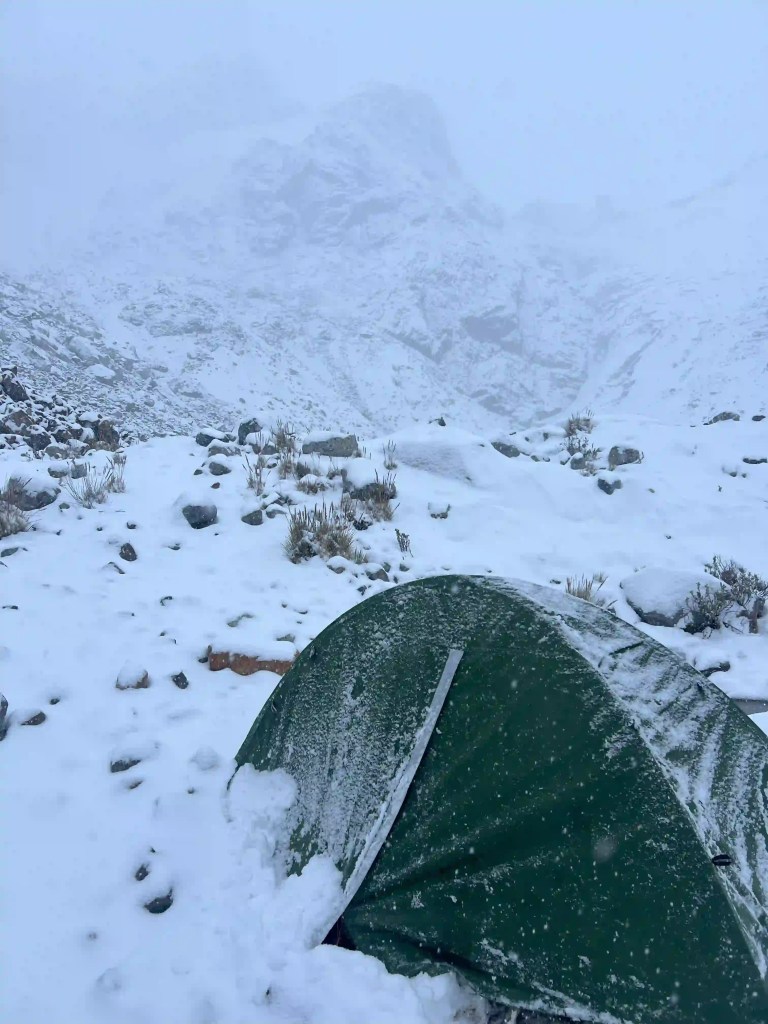
Huddled in my tent, I felt the weight of the situation. I considered how the risk of injury, unexpected storm, fading daylight, exhaustion, and dwindling food supply all forced me to confront the unexpected and make decisions of consequence. It was somewhat foreign to me, but historically, these were all common circumstances. I may minimize uncertainty through an apartment, grocery stores, and a salary, but it seemed that engaging with a dynamic world was a natural state of being. That night, the snowstorm covered the mountain, and I was forced to abandon the pass and hike out of the valley.
From Mountains to Horse Poop in the Desert
Three months later, far from cold or mountains, I was in Lobitos, Peru, shoveling horse poop out of desert dust.
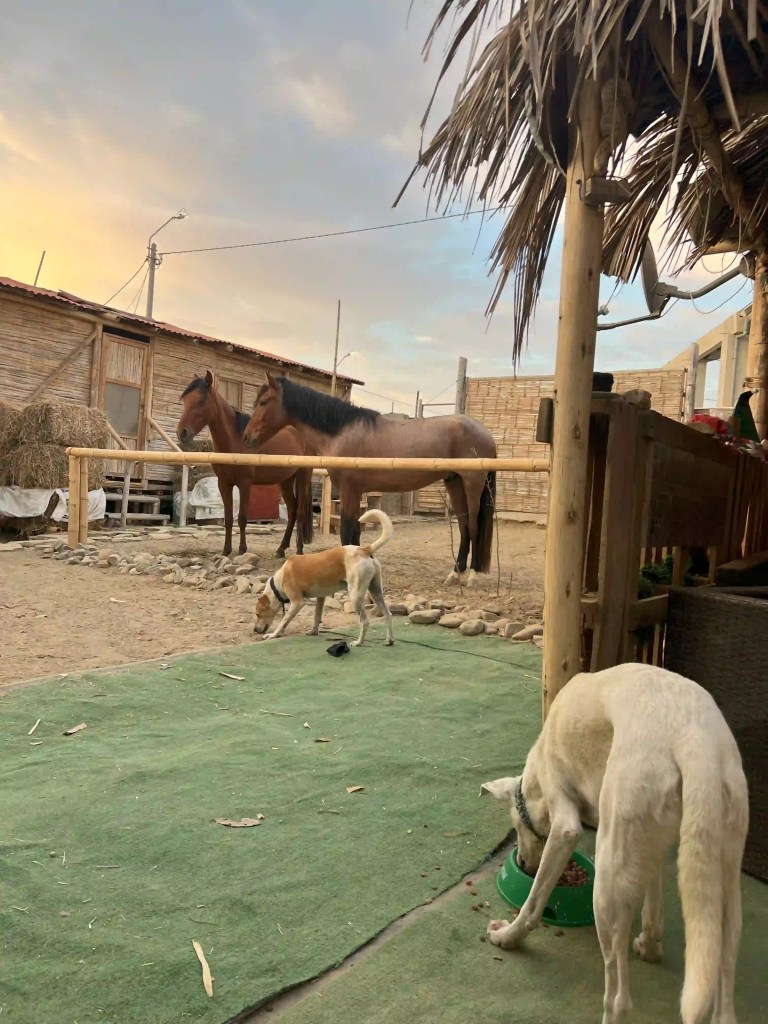
After 700 miles of riding up the coast from Lima, I was headed back to Colombia to sell my motorcycle and maybe finally stabilize my life. The growing gap on my resume often gnawed at me during the trip. I needed to address an ever-draining bank account.
Then I got a job offer as a travel advisor in Lima, a city I’d dreamed of living in for years. I loved the idea but I hesitated. It meant switching industries again, possibly only for the short term, two things that would further weaken my resume.
Taking the job felt like abandoning well-worn paths. I knew my decision wasn’t a matter of starvation or homelessness, but it was a matter of burdening myself with more uncertainty and decision-making. I reflected on my life trajectory and the lessons learned over the last several years: from lawyer, to living in a 24-hour fitness parking lot preparing to travel, to navigating the Cordillera Huayhuash. Through it all, I’d learned that uncertainty is natural and how to engage with it. With that perspective, I drove back to Lima.
A New Relationship with Predictability
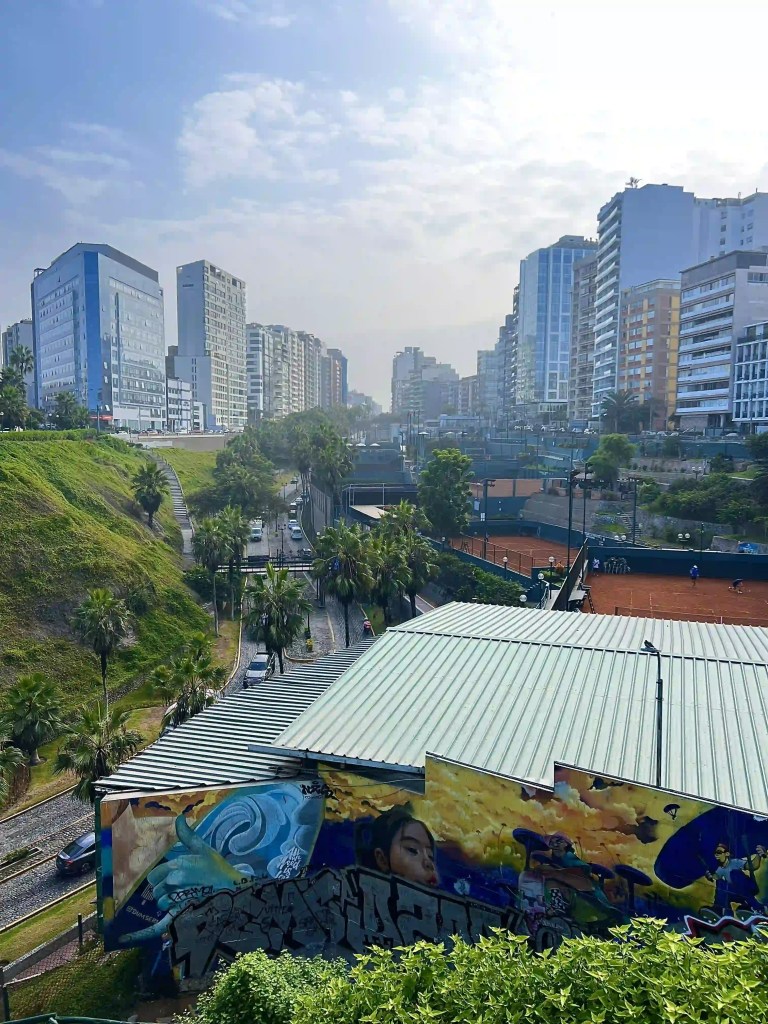
I now love my apartment in Lima. My local gym. My local surf break. My neighborhood empanada lady. I love that I don’t need to make decisions about where to eat or what route to take every single day. Predictability gives me space to think, create, and grow.
I will appreciate these things while I have them. But if in the future my compass points toward a glacier or I receive the opportunity to move to my new dream city, I’ll confront change and uncertainty as a natural part of life. In sum, travel gave me a healthier appreciation of predictability and the need to adapt in an ever-changing world.
 Travel and Grow
Leave a comment